Designing a More Efficient Lab

Implementing the right tools and methodologies can improve organization, reduce errors, and foster a more productive and cost-effective lab environment
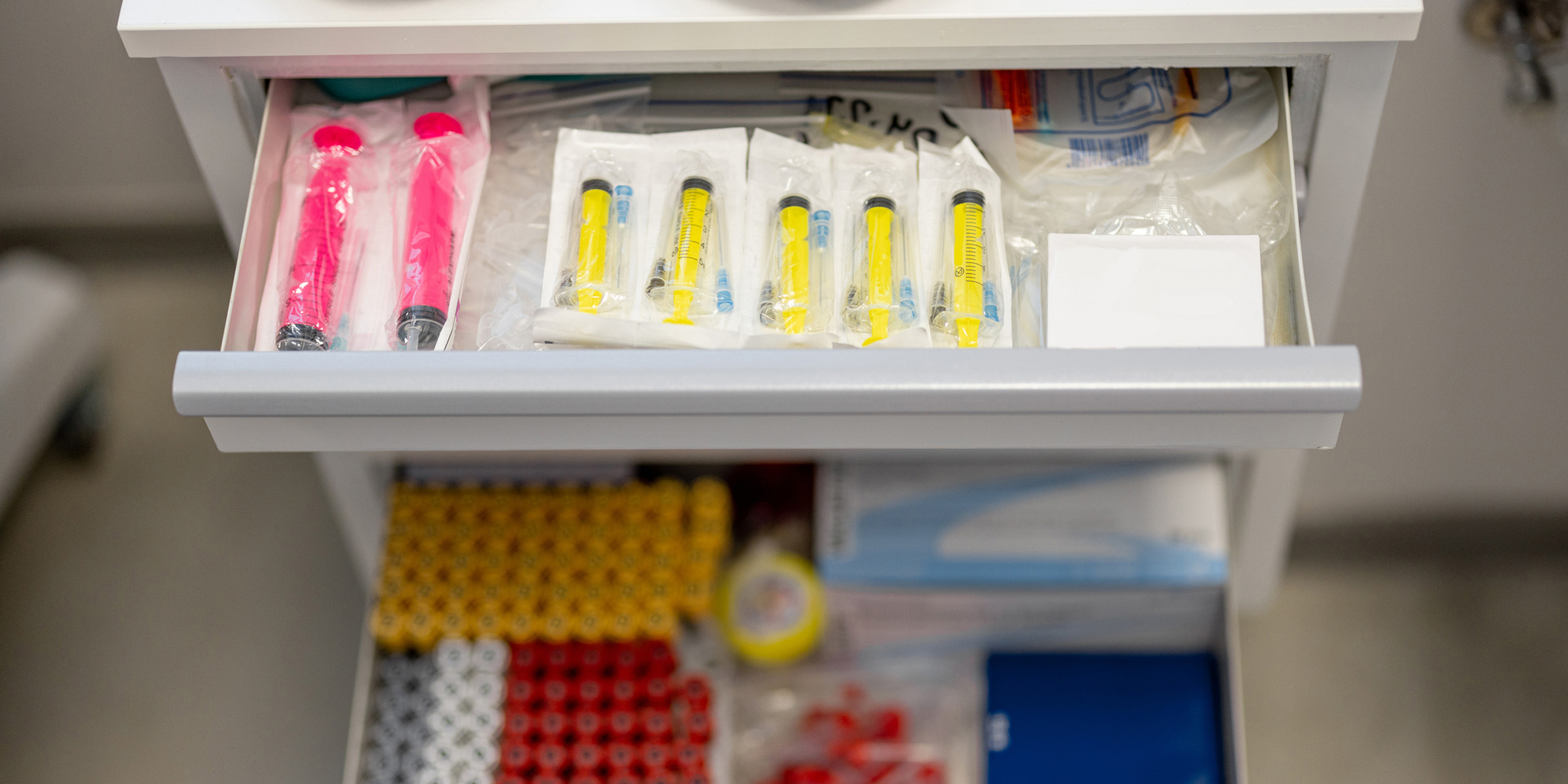
iStock, Vladislav Stepanov

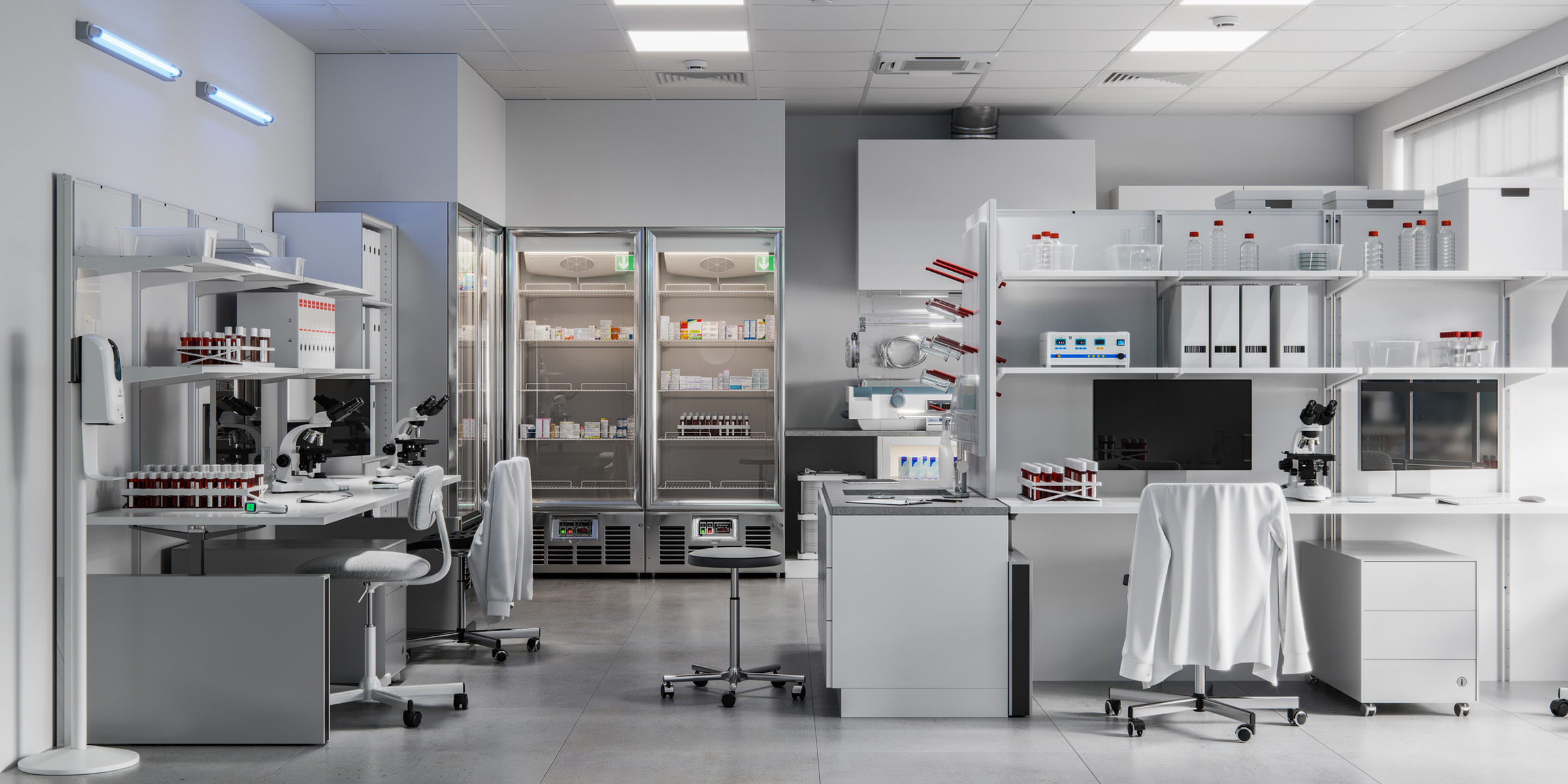
iStock, Marco VDM

Small, everyday obstacles in the lab—such as finding misplaced supplies or waiting for shared equipment—create operational inefficiencies. These seemingly minor issues have a substantial cumulative impact, reducing productivity, increasing error, and raising operational costs. These disruptions ultimately affect everything from the reliability of research findings to patient outcomes. Over time, they also take a toll on job satisfaction and employee retention, as staff face daily frustrations that hinder their ability to work effectively.

When labs seek to improve efficiency, the focus often falls on large-scale investments in new equipment or infrastructure. However, substantial gains don’t always require major capital expenditures. By implementing continuous improvement methodologies like Six Sigma and adopting well-designed solutions, labs can reduce inefficiencies and enhance accuracy, contributing to long-term success.


Impact of inefficiency

Select below to learn more

Bottlenecks in lab workflows arise from disorganized workspaces, inadequate tools, and outdated processes. Valuable time is wasted when staff are stuck manually entering data, searching for supplies, deciphering unclear protocols, or repeating lab work. As a result, throughput decreases, turnaround time increases, and costs rise.
Disorganization, poorly labeled samples, ineffective documentation, and outdated equipment increase the risk of errors, jeopardizing the reliability of lab findings and causing rework. Without efficient processes, maintaining consistent quality assurance is challenging, leading to more wasted time and compliance issues.
Persistent inefficiencies create daily frustrations for lab staff, leading to higher stress and lower job satisfaction. A lack of streamlined processes can make even highly skilled employees feel undervalued and ineffective. Unengaged employees work less effectively and reduce morale and motivation, driving high turnover. Constantly onboarding and training new staff creates a cycle of inefficiency that further drains resources.

Implementing Six Sigma

Six Sigma is a process improvement methodology focused on enhancing quality by solving problems, minimizing errors, and ensuring consistent results. This approach involves defining, measuring, analyzing, improving, and controlling (DMAIC) processes, often in an iterative way. Applying the DMAIC approach helps labs reduce errors, improve safety, lower costs, and enhance key metrics such as turnaround time, profitability, accuracy, and quality. Adopting Six Sigma enables labs to investigate the details of their processes and improve them one step at a time.

Select below to learn more

Define

The first step in Six Sigma involves identifying and defining the problem to be solved, or the opportunity for improvement. A specific, clear, and well-defined problem statement provides focus for a coordinated approach to process improvement. It should include a measurable description of the problem, providing full details of where and when it has occurred as well as its impact.

Measure

Once the opportunity has been defined, the next step is to create a data collection plan and measure the baseline performance of the relevant processes. These measurements provide a quantitative picture of the problem, ensure that decisions are data-driven, and allow for objective progress tracking.

Analyze

The analyze phase uses data collected to identify the potential and actual root causes of variation and error. Understanding what drives the problem ensures that improvement efforts address the true source rather than just treating its symptoms. In labs, this may involve pinpointing sources of sample contamination, human error, or equipment malfunctions.

Improve

After identifying the root cause of the inefficiencies, the next step is to identify opportunities for improvement and implement solutions. This can involve updating protocols, automating processes, training staff, or adapting workflows. Before full-scale implementation, pilot tests are conducted to assess the effectiveness of proposed changes in a controlled environment. Finally, data is collected to determine if the changes drive a measurable improvement.

Control

The final step ensures that improvements are sustained over time and that best practices remain up to date. This involves establishing and implementing a training and monitoring plan to track the updated processes' performance and a response plan to address any deviations.

In this video, Barry Shore, PhD, discusses a Six Sigma project, demonstrating how the DMAIC framework improves process efficiency, reduces waste, and drives better results.

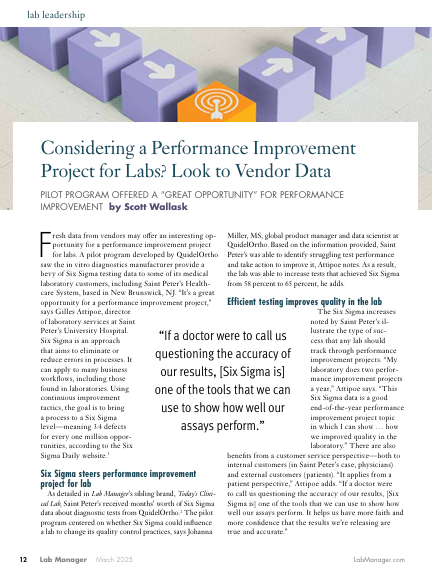
Vendor data is a valuable but often overlooked resource for labs looking to evaluate performance and identify areas for improvement. This article explores a pilot program leveraging vendor-provided Six Sigma data to help labs save time and improve quality.

Creating efficiency with 5S Lean

5S Lean is an organizational system designed to maximize efficiency by minimizing waste in workplaces, systems, and processes. By promoting structured organization, it enhances compliance, cleanliness, inventory control, and overall efficiency through reducing costs and errors. Beyond these benefits, it fosters a culture of continuous improvement, encouraging lab staff to maintain high operational standards. Often combined as Lean Six Sigma, 5S Lean and Six Sigma complement each other to support a higher level of quality.

Select below to learn more

Sort

The first step in 5S Lean focuses on separating necessary items from unnecessary ones to create a more organized and efficient workspace. By systematically evaluating equipment and supplies, labs can remove outdated, redundant, or rarely used items that take up valuable space and staff attention. Removing outdated items also reduces errors and rework.

Set in order

Once unnecessary items are removed, set in order ensures that remaining items are stored in a logical, designated location. Proper labeling and storage solutions can assist with this step and open space for essential materials. This step ensures that lab personnel have immediate access to what they need, reducing time spent searching for materials.

Shine

Shine involves locating and eliminating sources of uncleanliness or contamination. Keeping lab surfaces, tools, and equipment clean helps protect experimental integrity, ensures compliance with safety regulations, and extends the lifespan of instruments.

Standardize

To ensure consistency, standardize formalizes best practices across the lab. Developing clear protocols and guidelines reduces variability, minimizes errors, and supports compliance in regulated environments.

Sustain

The final step ensures that 5S Lean principles become a lasting part of the lab’s daily operations. Ongoing training keeps staff up to date on best practices, while regular audits help identify areas for improvement. Encouraging accountability and continuous improvement helps labs maintain high standards and prevent lapses of inefficiency.

A time-lapse video of a team of nurses implementing 5S Lean principles in their utility room, offering practical tips and tricks for organizing shared workspaces.

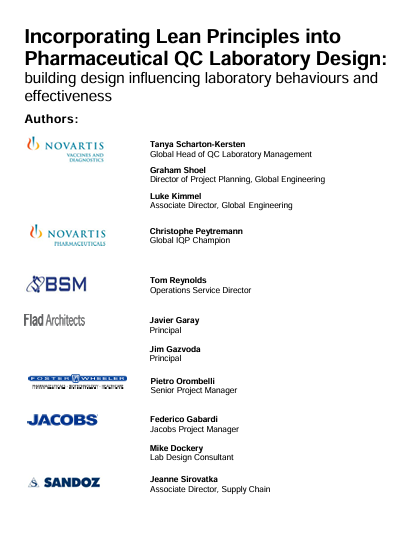
This white paper examines how integrating Lean methodologies into lab design for a quality control lab can streamline workflows, reduce waste, and promote effective communication.

Business case for efficiency

Without the right tools, labs can encounter poor organization, excess waste, increased errors, and workflow bottlenecks, all of which hinder profitability, productivity, and research quality. By prioritizing workflow optimization, lab managers can foster a more productive, accurate, and satisfying work environment for their teams. Investing in high-quality, well-designed lab solutions that align with Lean and Six Sigma principles is a strategic decision that enhances daily operations while delivering long-term benefits.
Eliminate bottlenecks to streamline workflows and improve turnaround times
Reduce waste, rework, and operational costs by optimizing inventory management
Ensure proper handling of lab materials and facilitate adherence to regulatory standards 
Easily adapt to evolving lab needs with greater flexibility
Improve patient outcomes in diagnostic workflows
Foster a more productive and engaged workforce

Implementation

The right tools and technology are essential for supporting Lean and Six Sigma principles, helping to standardize workflows, improve ergonomics, and enhance inventory management. Well-designed solutions also boost accessibility and organization, ensuring essential materials are always within reach.
The following list highlights key features to look for when selecting tools and technology that support Lean and Six Sigma principles.
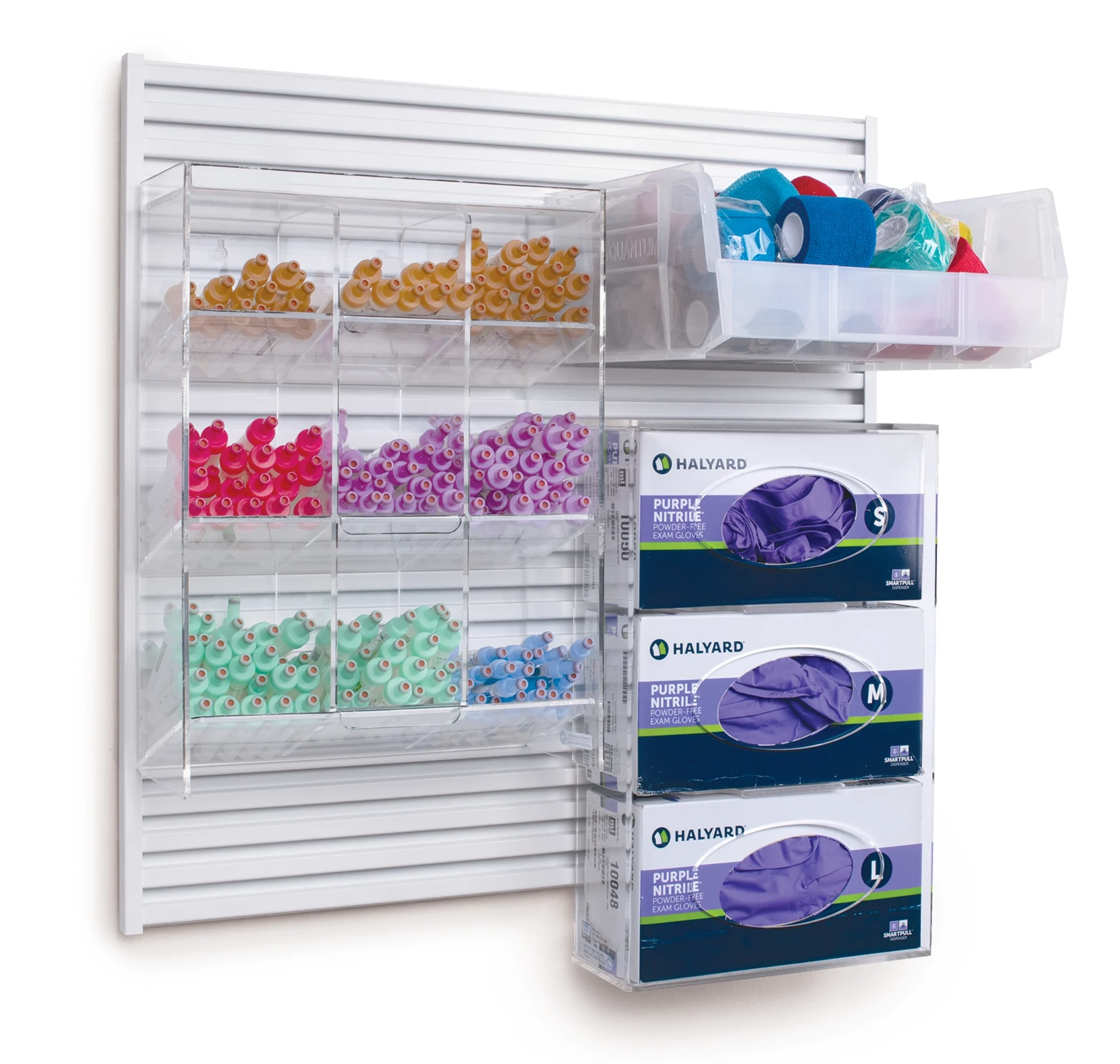
Space-saving storage systems, including stackable units, containers sized to fit their contents, and dividers for improved organization
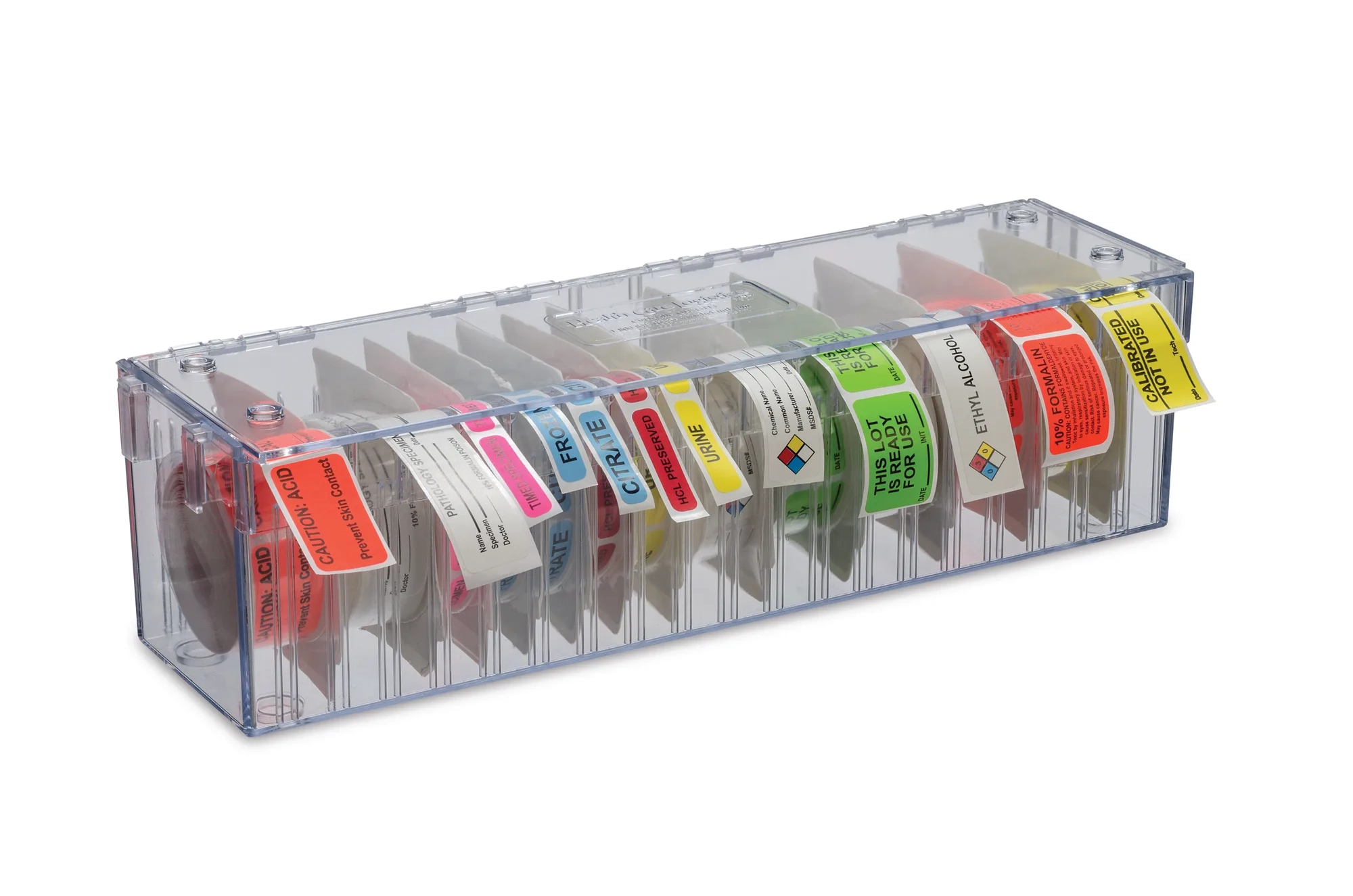
Standardized labeling systems and color coding to improve identification
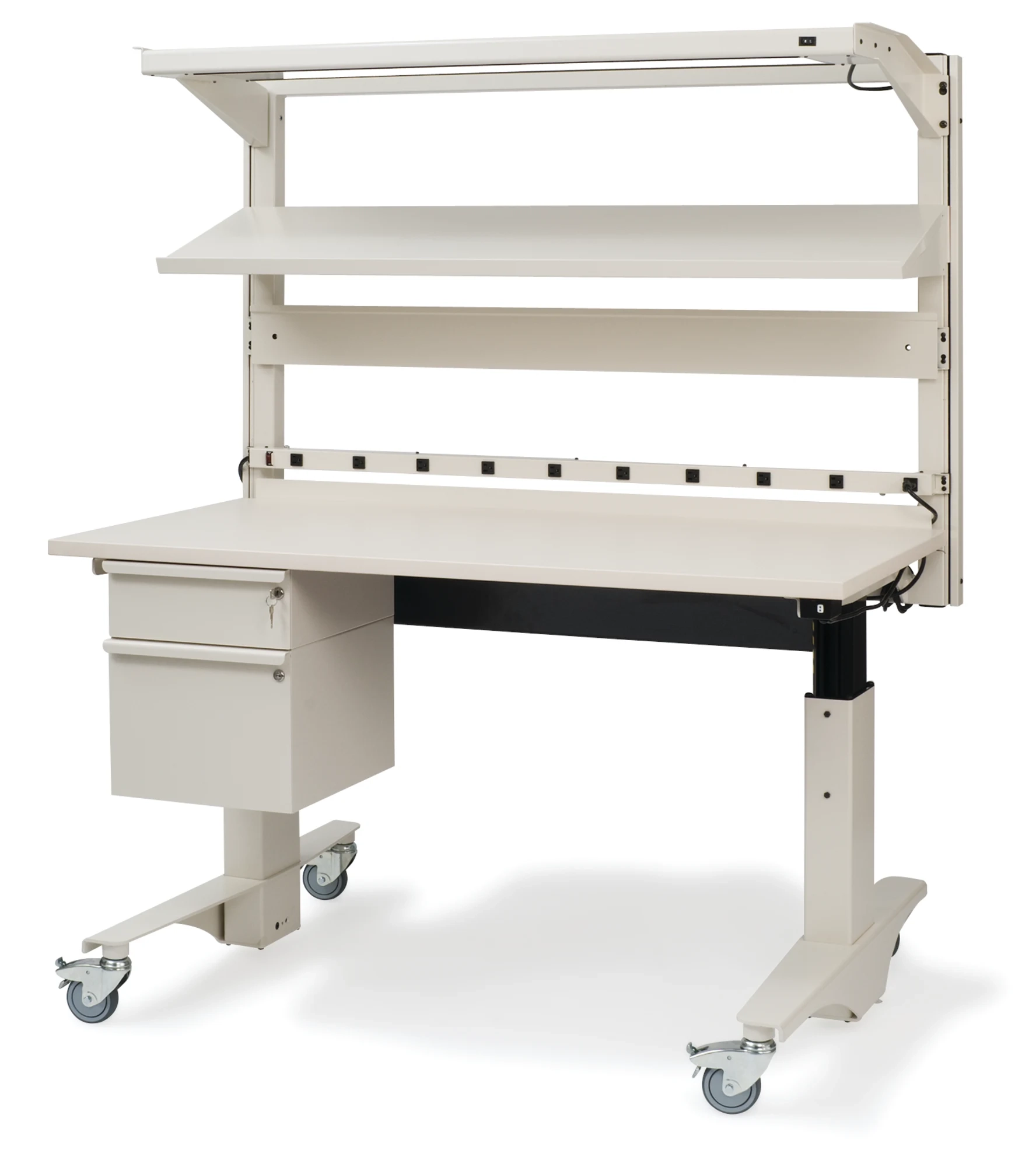
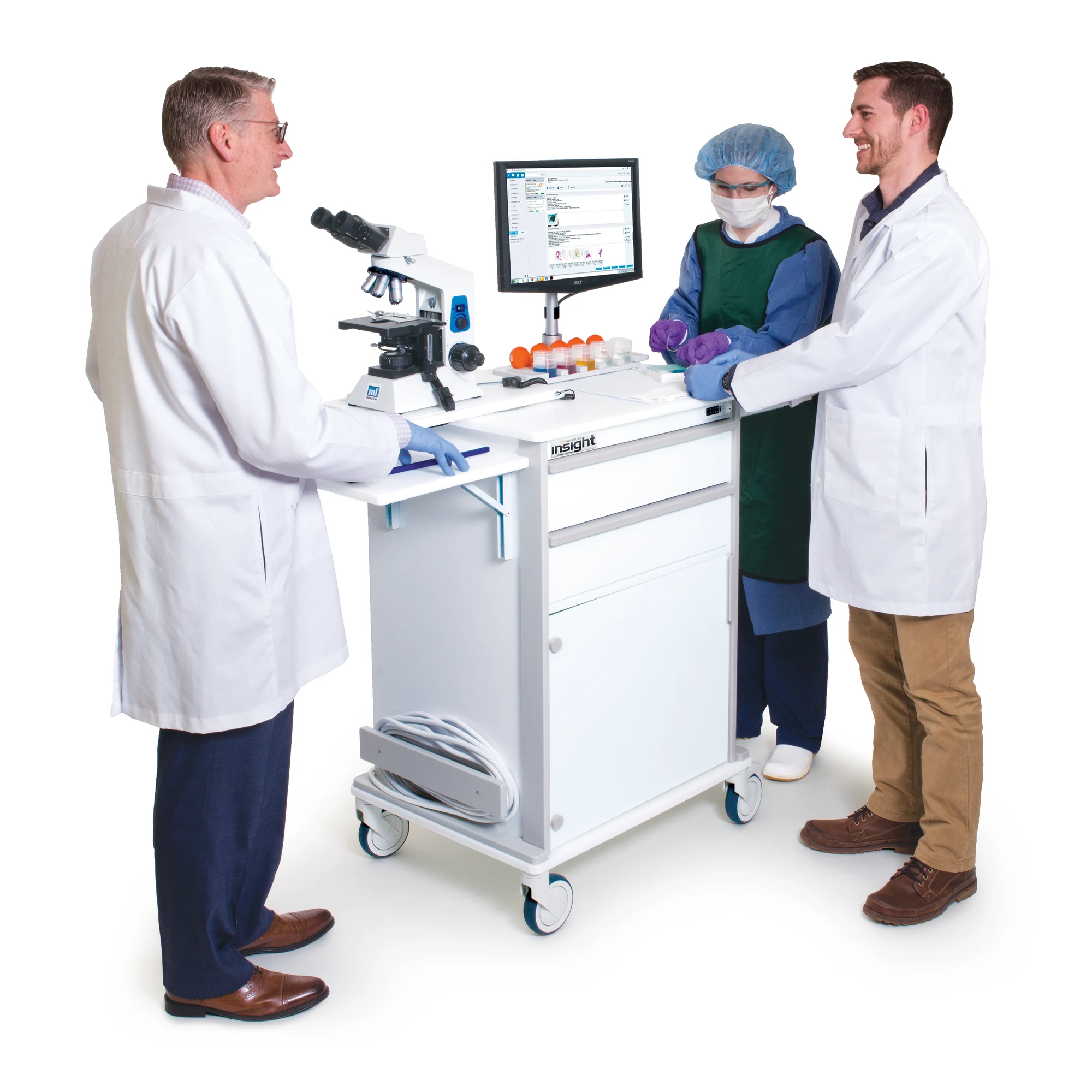
Modular and mobile workstations that adapt to changing lab needs
Ergonomic designs, such as adjustable-height workstations, to reduce strain and improve comfort
Low-maintenance products with durable, easy-to-clean designs
Workflow-specific organization to ensure smooth operations and easy access to necessary materials
Visit Marketlab for a full selection of tools and equipment to help streamline your lab.
Visit now